X
RSS

Blog

Why Modern Jewelry Is Designed for Movement, Not Just Beauty

Jewelry has always been admired for its aesthetic appeal, but in today’s era, beauty alone is no longer enough. Modern jewelry designers are now creating pieces that move with the wearer, combining elegance with practicality, comfort, and functionality. Whether it’s a bracelet, bangle, necklace, or ring, the way jewelry interacts with the body has become just as important as its visual design.

Why Modern Jewelry Factories Are Becoming Innovation Centers

The image of a jewelry factory as a purely production-driven space is rapidly changing. Today’s modern jewelry factories are evolving into innovation centers, where technology, design, data, and craftsmanship converge. These facilities are no longer just about making jewelry—they are shaping the future of how jewelry is designed, engineered, and experienced.


Beyond Manufacturing: A New Role for Factories

Traditional factories focused on output and efficiency. Modern jewelry factories, however, play a strategic role in product development, experimentation, and quality advancement. They serve as creative hubs where ideas are tested, refined, and transformed into market-ready collections.

This shift allows brands to respond faster to trends while maintaining design integrity.


Technology as the Catalyst

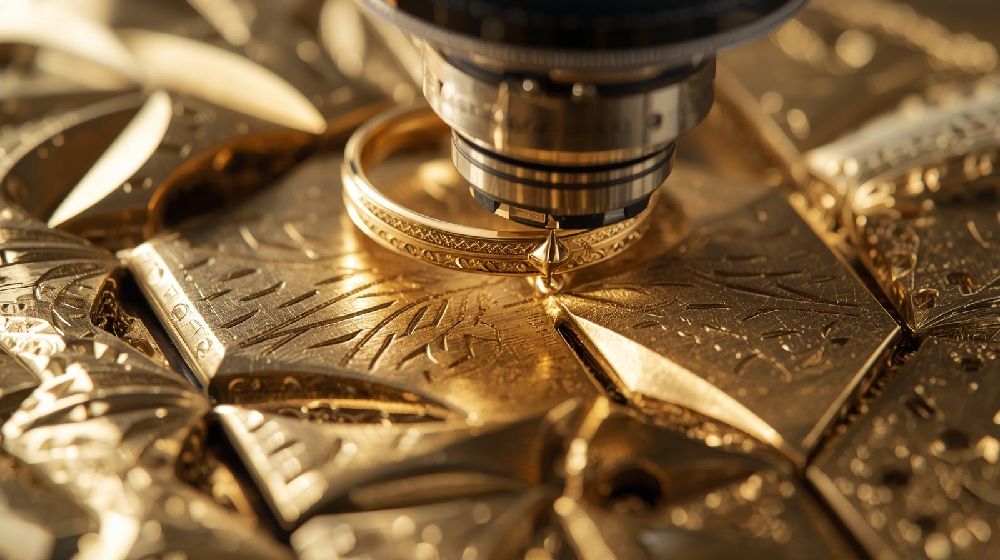
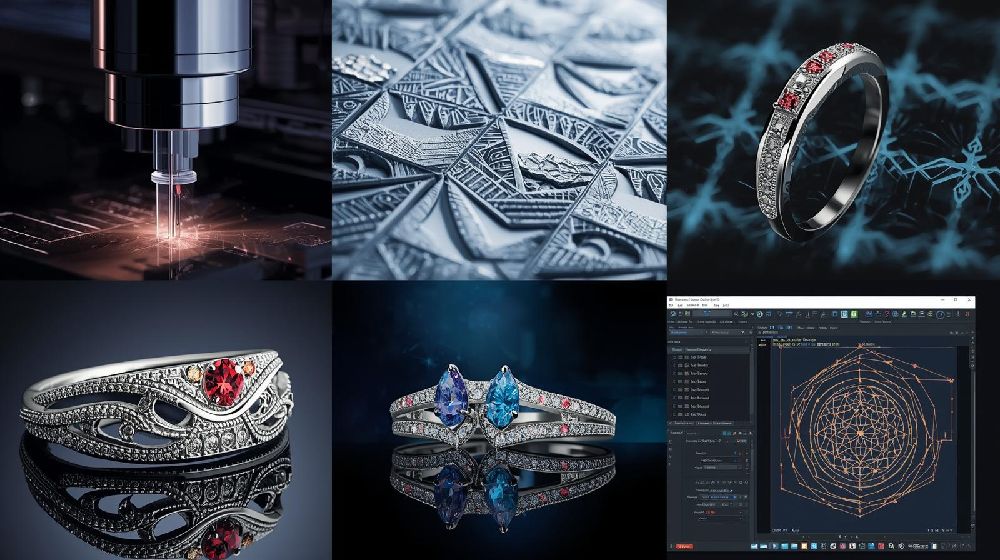
Advanced technologies have redefined factory capabilities. CNC machining, laser welding, 3D modeling, and digital prototyping enable precision and flexibility at unprecedented levels.

These tools allow factories to:

  • Test complex designs quickly

  • Improve structural integrity

  • Reduce material waste

  • Achieve consistent finishing at scale

Technology turns the factory floor into a laboratory for innovation.


Design and Engineering Working Together

Modern factories encourage collaboration between designers and engineers. Instead of handing off designs, teams work side by side to ensure creativity aligns with manufacturability.

This integrated approach results in:

  • Smarter design execution

  • Faster development cycles

  • Fewer production errors

  • Jewelry that is both beautiful and durable

Innovation thrives where creativity and engineering intersect.


Data-Driven Decision Making

Factories are increasingly powered by data. Production analytics, quality metrics, and trend insights guide decisions across design, materials, and processes.

Data helps identify what works, what needs refinement, and where innovation can deliver the greatest impact—making factories more intelligent and adaptive.


Craftsmanship Enhanced by Technology

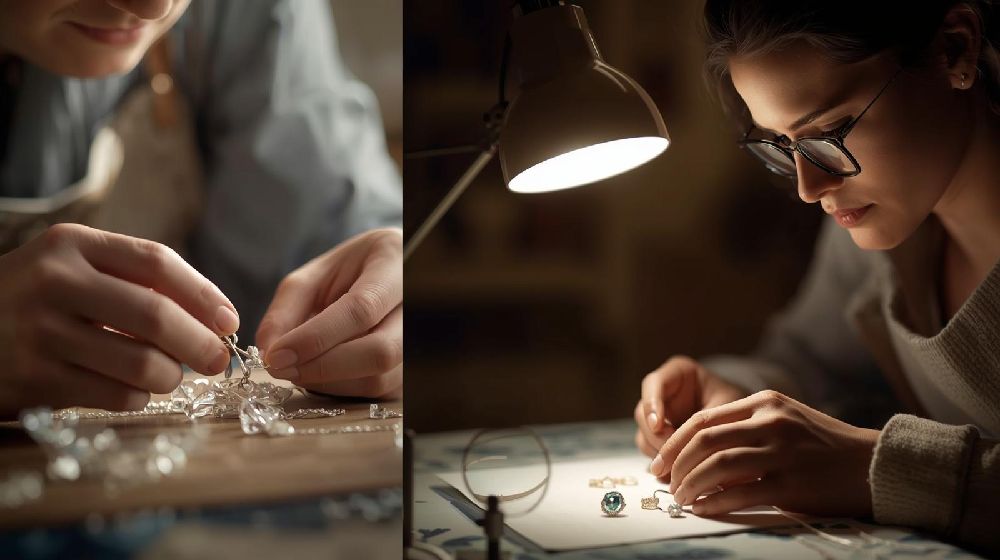
While automation plays a key role, skilled artisans remain essential. Modern factories use technology to support craftsmanship, not replace it. Precision tools allow artisans to focus on refinement, detailing, and finishing—the aspects that elevate jewelry from functional to exceptional.

Innovation respects tradition while enhancing it.


Sustainability Through Innovation

Innovation also drives responsible manufacturing. Modern factories adopt efficient processes, recycling systems, and energy optimization to reduce environmental impact.

Sustainable innovation ensures that quality, scale, and responsibility grow together.


Faster Time-to-Market

As innovation centers, factories can move from concept to final product faster than ever. Rapid prototyping and in-house testing reduce delays, allowing brands to launch timely, relevant collections without compromising quality.

Speed becomes a strategic advantage, not a compromise.


Conclusion: The Factory as the Future

Modern jewelry factories are no longer hidden back-end operations—they are the heart of innovation. By combining technology, data, craftsmanship, and sustainability, these factories are shaping the future of jewelry manufacturing.

As innovation centers, they empower brands to deliver precision, creativity, and consistency at scale—proving that the future of jewelry is built not just in design studios, but on the factory floor.

How Technology Enables Consistency in High-Quality Jewelry

In today’s luxury jewelry market, consistency is key. Customers expect every piece—from rings and bangles to necklaces and couple bands—to meet the highest standards of precision, finish, and durability. At DVN Jewelry, advanced technology plays a pivotal role in achieving this consistency, ensuring that every creation reflects the brand’s commitment to excellence.

How Material Balance Impacts Comfort in Jewelry By Dinesh Choksi

Jewelry is more than just a statement—it’s an experience. A beautifully crafted necklace, bracelet, or ring should not only look stunning but also feel effortless to wear. One of the most important yet often overlooked factors in jewelry comfort is material balance. The way metal, stones, and other components are proportioned can dramatically affect how jewelry feels throughout the day.

The Hidden Language of Shapes and Patterns in Jewelry By Dinesh Choksi

Jewelry has always been more than ornamentation. Long before written language, humans used shapes, symbols, and patterns to communicate beliefs, emotions, and identity. Even today, every curve, line, and motif in jewelry carries meaning—quietly speaking a language understood through design.

The New Global Standards of Jewelry Quality By Dinesh Choksi

The New Global Standards of Jewelry Quality

In today’s global jewelry market, quality is no longer defined solely by visual appeal or weight. Modern consumers expect durability, ethical sourcing, precision craftsmanship, and consistent standards across regions and brands.

How Innovation Is Preserving Tradition in Jewelry By Dinesh Choksi

Jewelry is more than adornment—it is a living testament to culture, heritage, and artistry. Across centuries, traditional designs, techniques, and craftsmanship have defined the beauty and identity of jewelry. Yet, in today’s fast-evolving market, innovation is not replacing tradition—it is preserving and enhancing it, ensuring that timeless artistry continues to thrive in a modern world.

Why Well-Made Jewelry Is Naturally More Sustainable By Dinesh Choksi

Sustainability in jewelry is often discussed in terms of recycled metals, ethical sourcing, and eco-friendly packaging. While these factors are important, one of the most powerful yet overlooked aspects of sustainability is quality craftsmanship. Well-made jewelry is naturally more sustainable because it lasts longer, wastes less, and carries lasting value beyond trends.

“Why Smart Jewelers Are Shifting from Solid Gold to Gold-Filled Collections” By Dinesh Choksi

The jewelry industry is evolving rapidly, and one of the most notable trends is the shift from solid gold to gold-filled jewelry. While solid gold has long been synonymous with luxury and investment, savvy jewelers are embracing gold-filled alternatives for their affordability, durability, and versatility, without compromising on elegance. But why is this shift happening, and what does it mean for consumers?

“Why Smart Jewelers Are Shifting from Solid Gold to Gold-Filled Collections” By Dinesh Choksi

The jewelry industry is evolving rapidly, and jewelers are exploring ways to balance luxury, durability, and affordability. One notable trend is the shift from solid gold to gold-filled jewelry. This approach offers the allure of gold while addressing practical challenges in production, pricing, and consumer demand. Let’s explore why smart jewelers are embracing gold-filled collections.